That’s So Random Photoshop Brush Set: A Practical Evaluation for Digital Creators
In the expansive ecosystem of digital design resources, brush packs often fall into two categories: highly specialized tools for niche techniques or generic collections that promise versatility but deliver mediocrity. The That’s So Random Photoshop Brush Set positions itself firmly in the latter category, yet with a specific intent that warrants closer inspection. Comprising over 150 individual brushes in the standard .abr format, this collection is designed for creators who value spontaneity and texture over rigid precision. For professionals, freelancers, and serious hobbyists alike, understanding the utility of such a diverse asset library is crucial before integrating it into a paid workflow.
Understanding the Scope and Format
At its core, this product is a digital asset pack compatible with Adobe Photoshop. The primary technical specification is its format: .abr. This is the native brush preset format for Photoshop, ensuring that users do not need third-party plugins or complex conversion processes to get started. However, accessibility is contingent on the user’s existing skill set. As noted in the product details, you must have Photoshop installed and possess the fundamental knowledge of how to install and load custom brushes. This is not a standalone application; it is a toolset that requires a host environment.
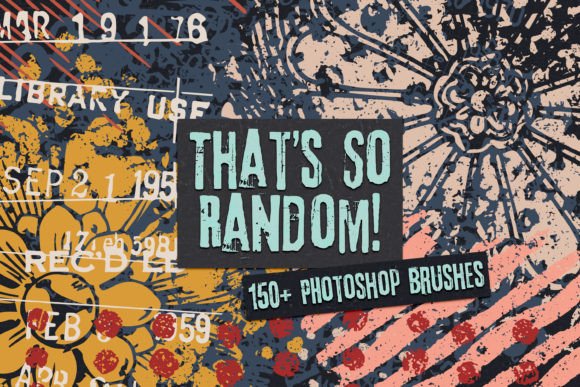
The sheer volume of the set—over 150 brushes—is both its greatest strength and its potential weakness. For a graphic designer working on a tight deadline, having a vast library at their disposal can significantly reduce the time spent creating custom textures from scratch. Conversely, for a beginner, the lack of curation can be overwhelming. The term "random" in the title suggests an eclectic mix rather than a unified thematic approach. This implies that the set likely includes a variety of stroke types, splatters, grunge elements, and organic shapes, rather than focusing exclusively on one style like watercolor or ink.
Key Characteristics and Usability
The practical value of the That’s So Random Photoshop Brush Set lies in its flexibility. Because the brushes are pre-configured, they offer immediate usability. Once installed, a user can select a brush and begin painting without adjusting opacity, flow, or scattering settings manually. This immediacy is particularly valuable for marketers and content creators who need to produce social media graphics, blog headers, or promotional materials quickly. The ability to add a textured, hand-drawn feel to digital compositions can help break the sterile uniformity often associated with corporate design.
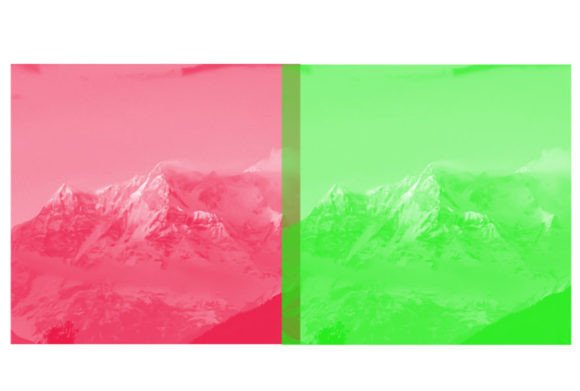
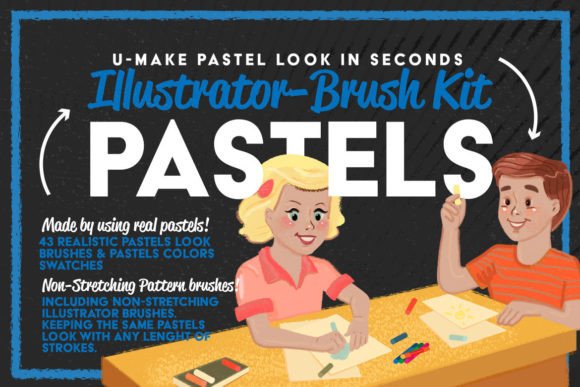
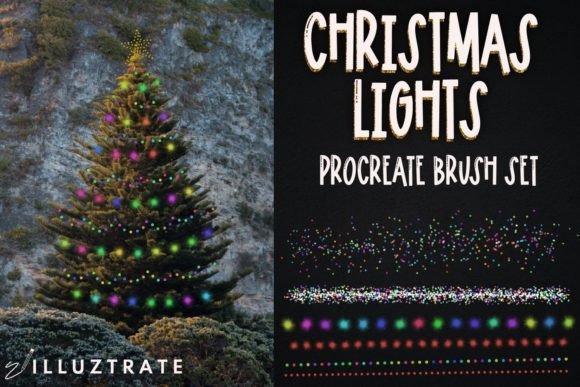
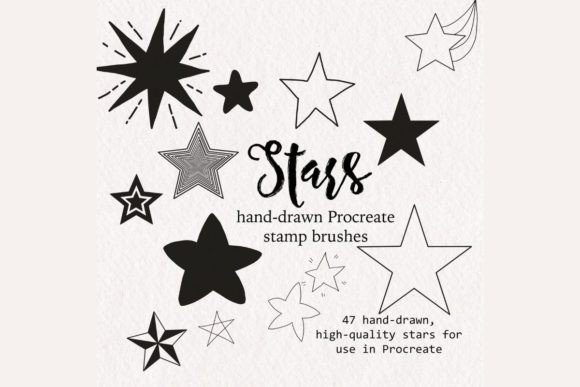
However, usability extends beyond installation. The effectiveness of these brushes depends heavily on how they interact with tablet pressure sensitivity and canvas resolution. High-quality .abr files should scale well without losing integrity, allowing for both broad background washes and fine detailed work. Users should expect a learning curve in determining which of the 150+ options best suits a specific project. The previews provided by the creator are essential in this regard. Since the name offers little clue about the specific visual style of each brush, viewing the preview images is not optional—it is a necessary step in evaluating whether the aesthetic aligns with your brand or project requirements.
Real-World Performance and Workflow Integration
In a professional context, consistency is key. A major concern with large, eclectic brush sets is variability in quality. Some brushes may offer rich, dynamic strokes that respond beautifully to pen pressure, while others might feel flat or repetitive. When evaluating the That’s So Random Photoshop Brush Set, it is important to consider how these assets perform in real-world scenarios. For instance, a web designer might use these brushes to create unique dividers or background elements for a landing page. In this case, the "random" nature allows for quick iteration, testing different looks until one fits the layout.
For illustrators and digital painters, the set may serve as a supplementary toolkit rather than a primary resource. While it may not replace specialized brushes for realistic portrait rendering or architectural sketching, it excels in adding atmospheric effects. Think of dust particles, light leaks, or abstract overlays that add depth to a composition. The reliability of these effects depends on the underlying resolution of the brush tip. If the brushes are vector-based or high-resolution raster images, they will maintain clarity when scaled up. If they are low-resolution, they may pixelate, limiting their use to small-scale web graphics.
Integration into an existing workflow also involves organization. With over 150 brushes, managing them within the Photoshop Brushes panel can become cluttered. Experienced users often organize their assets into groups or folders. Therefore, the long-term value of this set is enhanced if the user takes the time to categorize the brushes based on function—such as separating splatters from strokes or textures from shapes. This initial investment in organization pays dividends in future projects by reducing search time.
Who Benefits Most from This Collection?
The audience for the That’s So Random Photoshop Brush Set is broad, but certain profiles will find it more useful than others.
- Graphic Designers and Marketers: Professionals who need to add a human touch to digital ads, brochures, or social media posts will appreciate the speed and variety. The set allows for rapid prototyping of visual concepts.
- Bloggers and Content Creators: Those who manage their own visual content can use these brushes to create unique featured images or infographics without needing advanced illustration skills.
- Educators and Publishers: Teachers creating worksheets or publishers designing book covers may find the organic textures helpful in making educational materials feel more approachable and less corporate.
- Serious Hobbyists: Digital artists experimenting with mixed media styles can use these brushes to blend photographic elements with painted textures, expanding their creative repertoire.
Conversely, this set may be less suitable for users seeking hyper-realistic simulation tools or those who prefer minimalist, clean-line aesthetics. If your work relies on precise geometric shapes or vector scalability, raster-based Photoshop brushes may not meet your technical needs.
Assessing Quality and Long-Term Value
When considering the purchase or download of any digital asset, the question of long-term value is paramount. Does the That’s So Random Photoshop Brush Set offer lasting utility, or is it a novelty that will be used once and forgotten? The answer largely depends on the user’s willingness to explore the full range of the collection. A superficial glance might reveal only a handful of usable brushes, but a deeper dive often uncovers hidden gems that become staples in a designer’s toolkit.
The quality of the .abr format ensures compatibility with future versions of Photoshop, providing a degree of future-proofing. However, users should be aware that brush engines evolve. Newer features in Photoshop, such as enhanced smoothing or cloud-based libraries, may interact differently with older brush presets. Regular updates from the creator, if available, can mitigate compatibility issues, but even static sets usually remain functional across multiple software generations.
Presentation plays a significant role in perceived value. The requirement to view all previews underscores the importance of transparency. A well-presented set with clear, high-resolution examples allows buyers to make informed decisions. It reduces the risk of disappointment by setting accurate expectations regarding style and quality. For entrepreneurs and small business owners, this transparency is crucial, as time spent troubleshooting incompatible or unsuitable assets is time taken away from revenue-generating activities.
Practical Recommendations for Use
To maximize the effectiveness of the That’s So Random Photoshop Brush Set, consider the following practical steps:
- Review Previews Thoroughly: Before installing, examine every preview image. Identify the top 10–20 brushes that align with your current projects.
- Test on Sample Canvases: Create a test file to experiment with pressure sensitivity, opacity, and blending modes. See how the brushes interact with different background colors and textures.
- Organize Immediately: Upon installation, group the brushes into logical categories. This prevents panel clutter and speeds up future selection.
- Combine with Other Tools: Use these brushes in conjunction with layer masks, adjustment layers, and filters. The true power of digital brushes is realized when they are part of a layered, non-destructive workflow.
In conclusion, the That’s So Random Photoshop Brush Set represents a versatile, albeit eclectic, resource for digital creators. Its value is not in uniformity, but in the breadth of options it provides. For those willing to invest the time in exploration and organization, it offers a robust toolkit for adding texture, depth, and organic flair to digital designs. Whether you are a seasoned professional looking to streamline your workflow or a hobbyist eager to expand your creative horizons, this set provides a solid foundation for experimental and expressive digital art.