Mastering Fluidity: Elevating Digital Design with The Weety Texture Brush and Abstract Watercolor Techniques
In the rapidly evolving landscape of digital design, the boundary between traditional artistry and technological precision is becoming increasingly porous. For professionals, creators, and entrepreneurs alike, the demand for authentic, organic visual elements has never been higher. Audiences are growing weary of sterile, overly polished graphics; they crave texture, imperfection, and the human touch. This shift in consumer preference has placed tools like The Weety Texture Brush at the forefront of modern creative workflows. By bridging the gap between classical watercolor techniques and digital efficiency, this tool offers a sophisticated solution for those looking to infuse their projects with depth and character.
The Resurgence of Organic Aesthetics in Digital Media
To understand the significance of The Weety Texture Brush, one must first look at the broader trends shaping the creative industry. We are currently witnessing a renaissance of tactile design. From branding packages to social media content, there is a marked move away from flat, vector-based minimalism toward rich, layered compositions that mimic physical media. This is not merely a stylistic fad; it is a response to digital fatigue. In an era where screens dominate our daily lives, visuals that evoke the sensory experience of paper, ink, and paint create a subconscious connection with the viewer.
Watercolor, with its inherent unpredictability and fluid beauty, stands as a pinnacle of this organic aesthetic. However, traditional watercolor painting requires significant skill, time, and physical resources. It is here that digital tools step in to democratize access to these effects. The Weety Texture Brush allows designers to replicate the complex behaviors of water and pigment without the mess or the learning curve associated with physical mediums. This accessibility enables freelancers and marketing teams to produce high-quality, textured assets at speed, aligning with the fast-paced demands of contemporary business environments.
Understanding the Wet-on-Wet Technique in a Digital Context
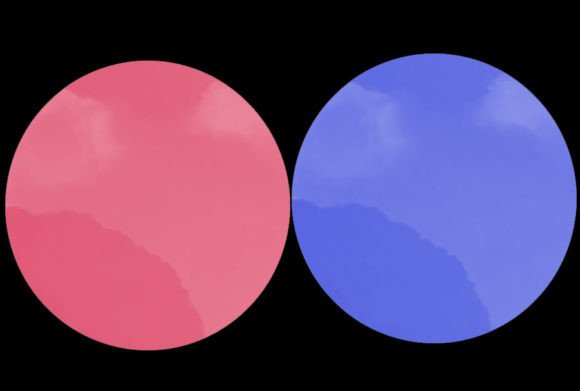
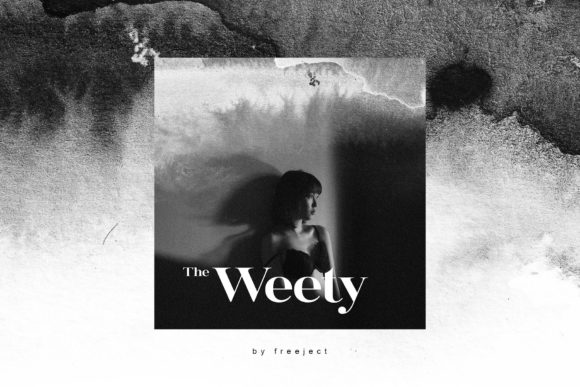
The core appeal of this resource lies in its ability to simulate the wet-on-wet watercolor technique. In traditional painting, wet-on-wet involves applying wet paint onto a wet surface, allowing colors to bleed, fuse, and create soft, diffuse edges. This method is renowned for producing dreamy, abstract backgrounds and seamless color transitions that are difficult to achieve with other methods.
When utilizing The Weety Texture Brush, users can recreate this fused pattern effect digitally. The brush engine is designed to mimic the capillary action of water spreading through paper fibers. As you stroke across the canvas, the digital pigment behaves organically, pooling and dispersing in ways that feel natural rather than algorithmic. This results in interesting, unique patterns every time, ensuring that no two designs are exactly alike. For marketers and brand strategists, this uniqueness is invaluable. It allows for the creation of bespoke visual identities that stand out in crowded marketplaces, avoiding the generic look of stock photography or standard digital gradients.
Practical Applications for Modern Creators
The versatility of abstract watercolor textures extends far beyond simple background images. Here is how various professionals can integrate these assets into their workflows:
- Brand Identity and Packaging: Entrepreneurs launching lifestyle products, such as cosmetics, artisanal foods, or wellness brands, can use these textures to convey purity, calm, and craftsmanship. The soft, flowing lines of watercolor suggest elegance and attention to detail.
- Social Media Marketing: Content creators can overlay text on abstract watercolor backgrounds to increase engagement. The visual interest of the texture draws the eye, while the soft colors ensure that typography remains legible. This is particularly effective for Instagram stories, Pinterest pins, and LinkedIn carousels.
- Web and UI Design: Web designers can use subtle watercolor elements to break up rigid grid structures. A splash of abstract color behind a call-to-action button or as a section divider can add warmth and personality to a corporate website, making it feel more inviting and less mechanical.
- Digital Illustration and Concept Art: Illustrators can use the brush to lay down initial mood boards or atmospheric backgrounds. The ability to quickly generate fused color patterns helps in establishing tone and lighting before committing to detailed line work.
Workflow Efficiency and Technical Flexibility
One of the primary concerns for professionals adopting new tools is integration. How does The Weety Texture Brush fit into existing pipelines? The answer lies in its format flexibility. The resource is available in JPG, PNG, and Photoshop brushes (ABR). This multi-format approach ensures compatibility with a wide range of software, from Adobe Photoshop and Illustrator to Procreate, Canva, and Affinity Designer.
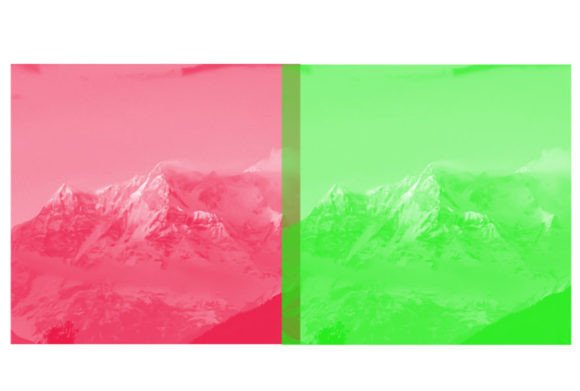
For those who prefer non-destructive editing, the PNG files with transparent backgrounds are ideal. They can be dragged and dropped into any composition, allowing for easy layering and blending mode adjustments. Designers can experiment with multiply, overlay, or screen modes to integrate the texture seamlessly with other elements. On the other hand, the ABR brush files offer dynamic control. Users can paint directly onto their canvases, adjusting size, opacity, and flow in real-time. This level of control is crucial for custom projects where specific placement and intensity of the texture are required.
Furthermore, the availability of high-resolution JPGs means that these textures can be used in print media without loss of quality. Whether designing a business card, a brochure, or a large-format poster, the fidelity of the watercolor effect remains intact. This cross-platform utility makes the tool a cost-effective investment for agencies and freelancers who need to deliver assets across multiple channels.
Why People Are Paying Attention: The Shift Toward Authenticity
The growing attention surrounding tools like The Weety Texture Brush is symptomatic of a larger cultural shift. Consumers are increasingly valuing authenticity over perfection. In marketing, this translates to a preference for brands that feel "real" and relatable. Abstract watercolor textures, with their irregular edges and natural color blends, embody this ethos. They suggest a human hand behind the design, fostering trust and emotional resonance.
Moreover, the ease of use associated with digital brushes lowers the barrier to entry for high-end design effects. Small businesses and solo entrepreneurs, who may not have the budget for custom illustration commissions, can now achieve similar results independently. This democratization of design tools empowers a wider range of voices to participate in the visual conversation, leading to a more diverse and vibrant creative ecosystem.
Adapting to Changing Expectations
As technology advances, so do user expectations. Clients and audiences now expect faster turnaround times without compromising on quality. Traditional methods of creating watercolor effects—such as scanning physical paintings—are time-consuming and often yield inconsistent results due to lighting and resolution issues. Digital brushes eliminate these variables, providing consistent, high-quality outputs instantly.
This efficiency does not come at the cost of creativity. On the contrary, by removing the technical hurdles of physical media, designers are free to focus on composition, color theory, and storytelling. The wet-on-wet technique, once a challenging skill to master, becomes an accessible creative option that can be iterated upon rapidly. This aligns perfectly with agile workflows common in tech startups and digital marketing agencies, where rapid prototyping and iteration are key to success.
Getting Started with Your Textural Journey
Integrating The Weety Texture Brush into your toolkit is a straightforward process that can immediately elevate the visual impact of your work. Whether you are looking to add a subtle backdrop to a corporate presentation or create a bold, artistic statement for a fashion campaign, these abstract textures provide the necessary foundation.
To begin exploring the potential of these assets, you can access the demo file. This package includes 19 high-quality texture files in JPG and PNG formats, along with the ABR brush file for Photoshop users. By downloading the demo, you can test the fusion patterns and see how they interact with your specific design elements.
Download the Demo File: 19 Texture JPG PNG ABR
In conclusion, the convergence of traditional art techniques and digital innovation offers exciting opportunities for creators. The Weety Texture Brush is more than just a set of digital assets; it is a gateway to a more expressive, authentic, and efficient design practice. By embracing tools that facilitate organic aesthetics, professionals can meet the evolving demands of their audiences while maintaining the high standards expected in today’s competitive market. As we move forward, the ability to blend the warmth of handcrafted art with the precision of digital technology will remain a critical skill for any serious creator.