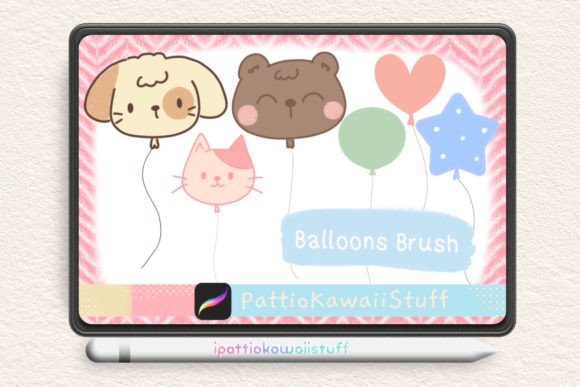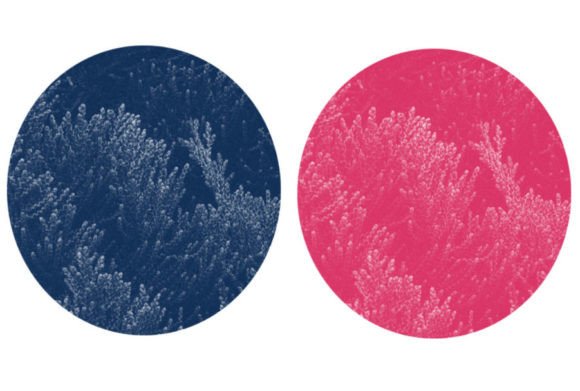
Brush 47: Strategic Application for Precision and Creative Control
In the modern digital workflow, efficiency is not merely about speed; it is about precision. The tools we choose define the quality of our output and the consistency of our brand identity. Brush 47 represents a specific instrument within a broader creative ecosystem, designed to address nuanced requirements in digital illustration, photo editing, and graphic design. Understanding its function goes beyond technical installation; it requires a strategic approach to how visual assets are created, managed, and deployed.
For professionals ranging from freelance designers to marketing directors, the decision to integrate a specific brush into a workflow should be deliberate. This article explores the practical utility of Brush 47, examining how its inclusion in your digital toolkit can support broader goals such as branding consistency, operational efficiency, and high-quality visual communication.
Understanding the Asset: What Is Included?
Before deploying any tool, one must understand its composition. When you acquire this resource, you are not receiving a vague promise of utility but a concrete, functional file set. The package is streamlined for immediate integration into professional software environments.
- The ZIP File: The primary container is a compressed archive, ensuring data integrity during transfer and storage. This format is universally recognized across operating systems, reducing friction in the onboarding process.
- File Formats: Inside, you will find files in .brushes or .swatches formats. These are industry-standard extensions compatible with major creative applications, ensuring that the tool functions as intended without requiring complex conversion steps.
- Single Brush Focus: The set contains exactly 1 Brush. This singular focus is intentional. Rather than overwhelming the user with hundreds of redundant options, this asset provides a specialized solution for a specific textural or stylistic need.
This minimalist approach aligns with lean operational principles. By focusing on a single, high-quality instrument, users can master its nuances rather than skimming the surface of a bloated library. For decision-makers, this means reduced training time and faster adoption rates among team members.
Strategic Value in Branding and Visual Identity
Consistency is the cornerstone of strong branding. Whether you are a small business owner managing your own social media presence or a creative director overseeing a global campaign, the visual elements you use must convey a unified message. Brush 47 can serve as a proprietary element in your visual language.
Consider the role of texture in digital communication. Flat, vector-based graphics often lack the human touch that resonates with audiences seeking authenticity. By incorporating Brush 47 into your design system, you introduce a consistent textural element that can be applied across various touchpoints—from website headers to printed brochures. This repetition builds recognition. Over time, your audience begins to associate that specific stroke quality with your brand’s identity.
Practical Application: If you are a content creator, use Brush 47 to add subtle highlights or shadows to product photography. This technique elevates standard images into curated visuals, enhancing perceived value without requiring extensive retouching hours. For educators and publishers, this brush can be used to annotate diagrams or create engaging worksheet elements that stand out from generic clip art.
Enhancing Productivity Through Tool Mastery
Productivity is often misunderstood as doing more things in less time. In reality, true productivity is about reducing friction in the creative process. When a designer has to search through thousands of brushes to find the right effect, valuable time is lost. By isolating Brush 47 as a go-to tool for specific tasks, you streamline decision-making.
Integrating this brush into your default workspace allows for rapid execution. When the tool is familiar, the cognitive load decreases. You no longer think about how to achieve a certain look; you simply execute. This flow state is critical for professionals who operate under tight deadlines.
- Standardization: Establish Brush 47 as the standard for specific effects within your team. This ensures that multiple designers can produce work that looks cohesive, even if they are working on different projects.
- Template Creation: Build templates that pre-load Brush 47. This reduces setup time for new projects and ensures that best practices are baked into the workflow from the start.
- Quality Control: With a limited, curated toolkit, it is easier to maintain high standards. You know exactly what the output will look like, reducing the need for extensive revisions.
Risk Management: Avoiding Random Usage
While Brush 47 is a valuable asset, relying on it without clear intent can lead to diminishing returns. A common pitfall among hobbyists and inexperienced marketers is the overuse of decorative elements. Using a textured brush indiscriminately can clutter designs, obscure messaging, and dilute brand professionalism.
Strategic caution is required. Before applying Brush 47, ask yourself: Does this element serve the core message? Does it enhance readability or distract from it? For entrepreneurs and bloggers, clarity is paramount. A blog post header should grab attention, but it must not compromise legibility. If Brush 47 adds noise rather than signal, it should be omitted.
Furthermore, consider the context of your medium. Digital screens display textures differently than print. A brush stroke that looks subtle on a monitor may appear muddy when printed on matte paper. Always test your assets across different mediums before finalizing large-scale campaigns. This due diligence prevents costly reprints and ensures a polished customer experience.
Decision-Making Framework for Adoption
Adopting new tools should be a calculated decision. For freelancers and agency owners, evaluating the return on investment (ROI) of any asset is crucial. Here is a framework to determine if Brush 47 fits your current needs:
- Gap Analysis: Identify what is missing in your current toolkit. Do you lack a specific texture for organic shapes? Do you need a consistent way to highlight key information? If Brush 47 fills a identified gap, it is a strategic acquisition.
- Learning Curve: Assess the time required to master the tool. Since this is a single brush, the learning curve is minimal. However, understanding how pressure sensitivity and opacity settings interact with this specific brush tip requires practice. Allocate time for experimentation before using it in client-facing work.
- Long-Term Utility: Consider whether this tool will remain relevant as your brand evolves. Trends in design change, but fundamental techniques often endure. A well-crafted brush that mimics natural media or provides clean, functional strokes is likely to have long-term value.
Implementation Tips for Professionals
To maximize the potential of Brush 47, integrate it into your workflow with intention. Start by creating a dedicated layer group for textured elements. This non-destructive approach allows you to adjust opacity, blending modes, and visibility without altering the underlying design. This flexibility is essential for collaborative environments where feedback loops are common.
For marketers, use Brush 47 to create unique social media assets. In a feed saturated with stock photography and generic templates, custom textures can stop the scroll. Use the brush to frame quotes, underline key statistics, or add depth to flat illustrations. These small details signal effort and care, which builds trust with your audience.
Educators can leverage this tool to make learning materials more engaging. Hand-drawn annotations often feel more personal and approachable than typed text. By using Brush 47 consistently, you can create a recognizable style for your educational content, making it instantly identifiable to students.
Conclusion: Intentionality Drives Results
The value of Brush 47 lies not in the file itself, but in how it is applied. For the strategic professional, every tool is a lever for achieving better outcomes. By understanding the specific capabilities of this brush, integrating it into a standardized workflow, and applying it with clear intent, you can enhance both the quality and efficiency of your creative output.
Avoid the trap of random experimentation. Instead, approach Brush 47 as part of a broader strategy for visual communication. Whether you are refining your brand identity, streamlining your production process, or elevating your customer experience, thoughtful tool selection is a hallmark of professional excellence. Make the decision to use it wisely, and let precision drive your success.